

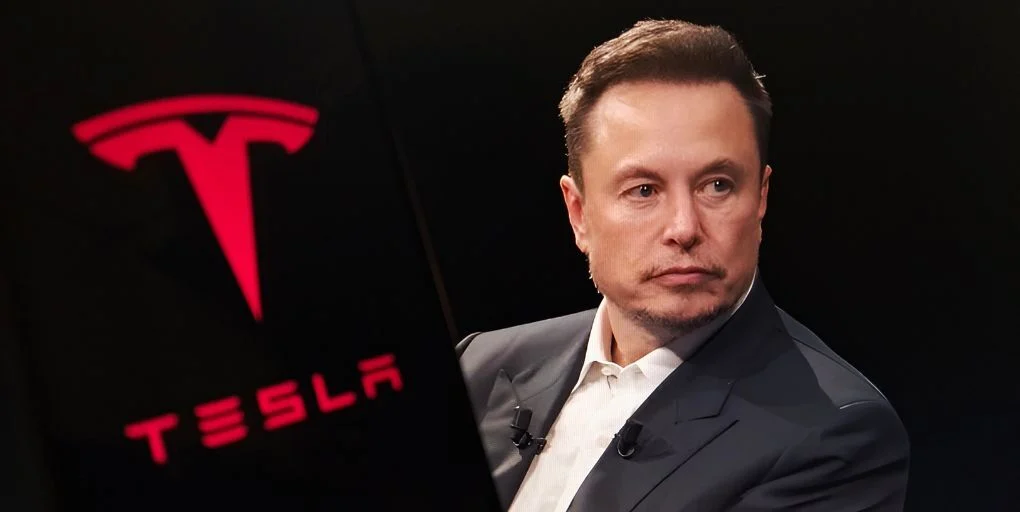
Elon Musk has built a reputation as one of the world’s most daring entrepreneurs. As the CEO of Tesla, he pushes boundaries in electric vehicles, robotics, and artificial intelligence. In CNN Business’ annual “Risk Takers” series, Musk is highlighted for his bold leadership Elon Musk & Tesla style and willingness to embrace uncertainty in pursuing transformative ideas. His approach has made Tesla an industry pioneer — but it has also brought significant challenges. This article breaks down Musk’s risk strategy, why it matters, and how it is reshaping Tesla’s future.
Bold Vision, Big Risks
Musk’s Visionary Leadership
Elon Musk rose to global prominence by leading Tesla’s mission to accelerate the world’s transition to sustainable energy. Under his leadership, Tesla has become a major force in electric vehicles, battery technology, and autonomous driving. In the CNN Business “Risk Takers” series, Musk is profiled as a leader whose bold bets push the limits of innovation — from electric cars to robots that could transform industries.
Musk has always been willing to take chances. He reinvests profits into new technology, challenges traditional industry norms, and often speaks publicly about Tesla’s long-term goals — even when they seem far-fetched. His style reflects a belief that big rewards require bold actions.
Major Risks Facing Tesla
Shifting Focus Beyond Cars
One notable risk Musk emphasizes is Tesla’s shift from being primarily an electric car maker to a broader tech and robotics company. He believes that humanoid robots and advanced automation could define Tesla’s future, potentially generating revenue far beyond vehicle sales. This strategy involves heavy investment in research and development, with no guarantee of return, but it reflects Musk’s long-term risk tolerance.
Political and Market Uncertainty
Tesla’s image and sales have also been influenced by Musk’s public profile. His involvement in political discussions and controversies has sparked reactions from customers and investors alike. Consumer backlash in some regions has been tied to concerns over Musk’s political stances, affecting Tesla’s brand appeal and loyalty in certain markets.
There is even grassroots opposition, such as the Tesla Takedown movement, which organized protests at Tesla stores worldwide in early 2025. These actions aimed to impact the company’s economic performance and call attention to Musk’s political influence.
Innovation at a Cost
Autonomous Driving & Robotaxis
Tesla’s ambitious push into Full Self-Driving (FSD) software and robotaxi service is another calculated risk. The idea is that autonomous vehicles could become a major revenue source and redefine transportation. However, real-world deployment has faced engineering, safety, and regulatory hurdles. The pace of adoption remains uncertain, and critics argue that delivering on these promises is still far off.
This uncertainty adds pressure on Tesla’s financial performance. If robotaxis and advanced autonomous systems don’t materialize as planned, it could impact investor expectations and stock valuation.
Why Musk’s Risks Matter
Driving Innovation
Despite challenges, Musk’s risk appetite has fueled groundbreaking progress. Tesla helped popularize electric cars worldwide and pushed other automakers to invest heavily in EV technology. Its battery innovations, charging infrastructure, and AI ambitions continue to influence the broader automotive and tech industries.
Balancing Reward and Challenge
Musk’s approach illustrates a key leadership tension: balancing visionary ideas with practical execution. Bold leadership can inspire new possibilities, but it also raises expectations. For Tesla, this means investors and customers closely watch whether the company can deliver on its most ambitious goals while maintaining quality and financial stability.
Frequently Asked Questions (FAQs)
1. What does it mean that Elon Musk is a risk taker?
Being a risk taker means Musk makes bold decisions with uncertain outcomes, such as investing in robot technology and autonomous driving without guaranteed success.
2. How has Musk’s approach affected Tesla’s sales?
Tesla has faced declining sales in some markets linked to broader market competition and brand reactions to Musk’s public profile.
3. Why is Tesla moving beyond cars?
Musk believes future growth will come from technologies like humanoid robots and autonomous services that could redefine Tesla’s role in the tech world.
4. Is Tesla facing public opposition?
Yes. Movements like the Tesla Takedown have organized protests to challenge the company economically and politically.
5. What are the main challenges ahead for Tesla?
Tesla must deliver on ambitious new technologies, manage brand perception, and compete with other electric vehicle makers while keeping investors confident.
Conclusion
Elon Musk’s leadership at Tesla embodies the nature of taking big risks to achieve meaningful breakthroughs. From redefining what electric Elon Musk & Tesla vehicles can do to exploring future technologies like robots and autonomous services, his strategy relies on bold thinking and a high tolerance for uncertainty. While this approach has sparked both admiration and criticism, it continues to shape Tesla’s path — and serves as a key example of what it means to be a modern risk taker in the business world.